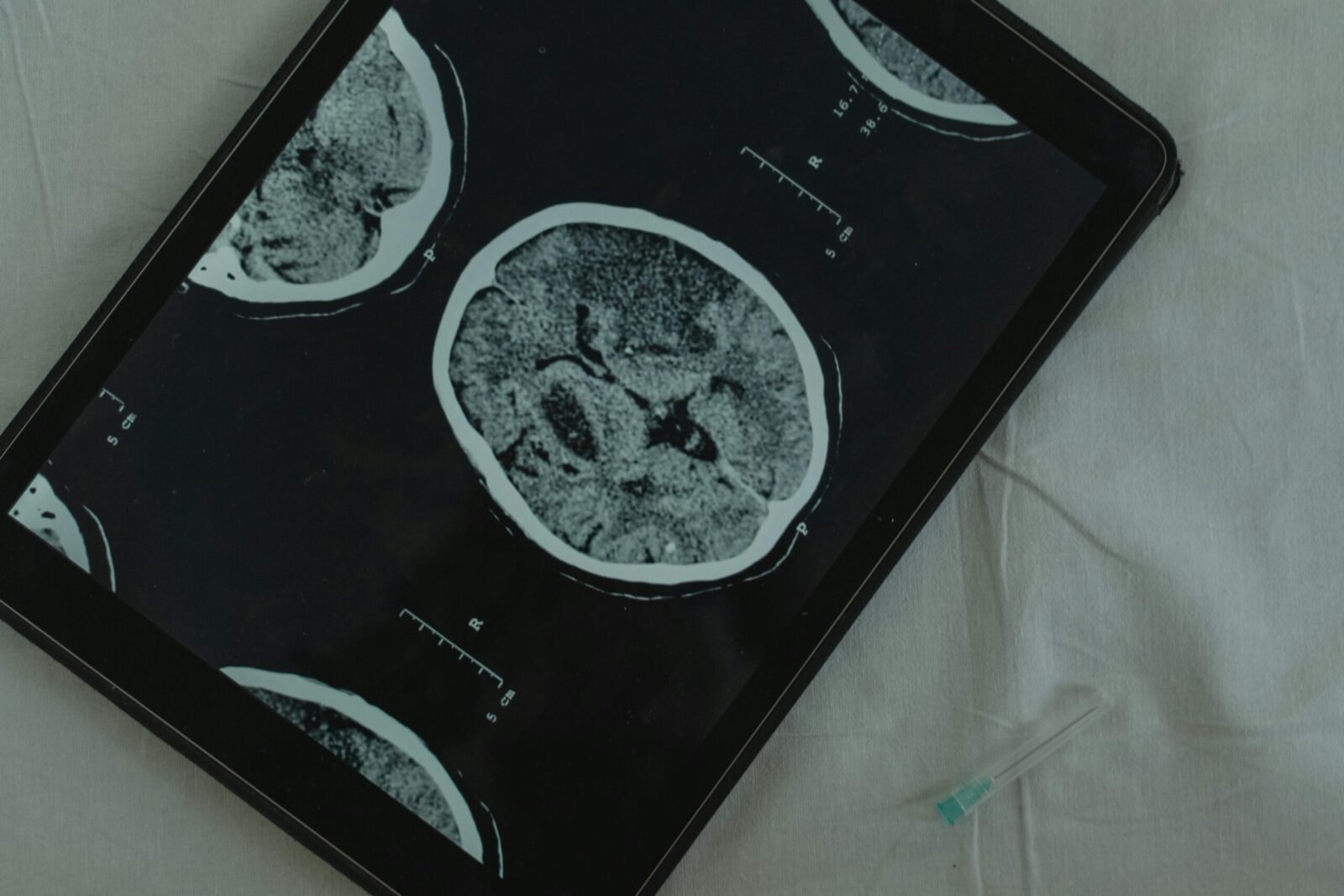
In our fast-paced world, supporting brain health through diet has never been more important. The foods you eat can influence memory, concentration, mood, and long-term cognitive function by providing essential nutrients like omega-3 fatty acids, antioxidants, vitamins, and healthy fats that protect brain cells, reduce inflammation, and improve blood flow.
Research, including studies on the MIND diet (a hybrid of Mediterranean and DASH diets), consistently shows that certain whole foods are linked to slower cognitive decline and healthier brain aging. In this guide to the best foods for brain health, you’ll discover science-backed options that are easy to incorporate into daily meals.
Why Diet Matters for Brain Health
Your brain requires a steady supply of nutrients to function optimally. Omega-3s help build and maintain brain cell membranes, antioxidants combat oxidative stress and inflammation, and B vitamins plus choline support neurotransmitter production and memory. Diets rich in leafy greens, berries, fish, nuts, and olive oil are associated with better cognitive outcomes as we age.
Top Foods for Brain Health
Here are the standout choices backed by nutritional science:
1. Fatty Fish (Salmon, Sardines, Mackerel, Trout)
Fatty fish are among the richest sources of omega-3 fatty acids, particularly DHA, which makes up a large part of brain structure and supports cell communication. Regular consumption (2–3 times per week) is linked to improved memory, reduced inflammation, and lower risk of cognitive decline.
How to enjoy: Grill salmon, add canned sardines to salads, or try smoked mackerel on whole-grain toast.
2. Berries (Blueberries, Strawberries, Blackberries)
Often called “brain berries,” these are packed with flavonoids and polyphenols—powerful antioxidants that may improve blood flow to the brain, enhance memory, and protect against oxidative damage. Eating berries regularly has been associated with delaying memory decline.
How to enjoy: Add fresh or frozen berries to oatmeal, yogurt, smoothies, or eat them as a snack. Aim for 1–2 servings daily.
3. Leafy Greens (Spinach, Kale, Collards, Swiss Chard)
Leafy greens provide vitamin K, folate, lutein, and beta carotene, nutrients tied to slower cognitive decline and better brain function. One serving per day may make your brain appear significantly younger on cognitive measures.
How to enjoy: Toss into salads, sauté as a side, blend into smoothies, or add to eggs and soups.
4. Nuts and Seeds (Especially Walnuts)
Walnuts stand out for their plant-based omega-3s (ALA), vitamin E, and antioxidants that support brain cell protection and may improve memory. Other nuts and seeds offer healthy fats and protein for sustained energy.
How to enjoy: Snack on a handful daily, sprinkle on salads or yogurt, or use in baking. Walnuts even resemble a tiny brain!
5. Eggs
Eggs are an excellent source of choline, a nutrient essential for memory and communication between brain cells, plus B vitamins that help ward off cognitive impairment.
How to enjoy: Boil, scramble, or make an omelet with added veggies for a brain-boosting breakfast.
6. Extra-Virgin Olive Oil
A cornerstone of brain-healthy diets, olive oil provides monounsaturated fats and polyphenols that support healthy blood flow and reduce inflammation.
How to enjoy: Use as your primary cooking or salad oil, drizzle over vegetables, or dip bread in it.
7. Whole Grains and Beans/Lentils
These deliver complex carbohydrates, fiber, B vitamins, and steady energy to the brain while supporting gut health, which influences the gut-brain axis.
How to enjoy: Choose oats, brown rice, quinoa, or barley; add beans to soups, salads, or chili.
8. Other Supportive Foods
- Avocados: Healthy monounsaturated fats that aid blood flow and blood pressure management.
- Broccoli and Cruciferous Vegetables: Rich in vitamin K and antioxidants.
- Dark Chocolate (70%+ cocoa): Flavonoids and a bit of caffeine for improved focus and mood (in moderation).
- Turmeric: Contains curcumin with anti-inflammatory properties (pair with black pepper for better absorption).
Simple Ways to Eat for Brain Health Daily
- Breakfast: Berry smoothie with spinach, Greek yogurt, and walnuts.
- Lunch: Salmon salad with leafy greens, olive oil dressing, and beans.
- Snack: Handful of mixed nuts or hard-boiled egg with berries.
- Dinner: Grilled fatty fish or poultry with roasted vegetables and quinoa drizzled in olive oil.
Following patterns like the MIND diet—emphasizing these foods while limiting fried foods, sweets, and processed meats—has shown promising results for long-term brain protection.
Bonus Tips for Maximum Brain Benefits
- Aim for variety and consistency rather than perfection.
- Stay hydrated—dehydration affects focus and cognition.
- Combine with lifestyle factors: regular exercise, quality sleep, and mental stimulation.
- If you don’t eat fish, consider algae-based DHA supplements after consulting a doctor.
- Limit added sugars and ultra-processed foods, which may accelerate brain aging.
Conclusion: Fuel Your Brain with Every Bite
Incorporating the best foods for brain health—fatty fish, berries, leafy greens, nuts, eggs, olive oil, and more—into your routine is one of the most delicious and effective ways to support memory, focus, and cognitive longevity in 2026 and beyond.
Start small: Add a handful of berries and greens to your day, swap in olive oil, or enjoy fish twice a week. Your brain will thank you!
What’s your favorite brain-boosting food or recipe? Share in the comments below for more ideas!
Eat smart, think sharp—nourish your brain starting today!